Email:
sales@YoViapetproducts.com
Physical address:
No.299 Chongqing Middle Rd. Qingdao, Shandong Prov., China
Email:
sales@YoViapetproducts.com
Physical address:
No.299 Chongqing Middle Rd. Qingdao, Shandong Prov., China
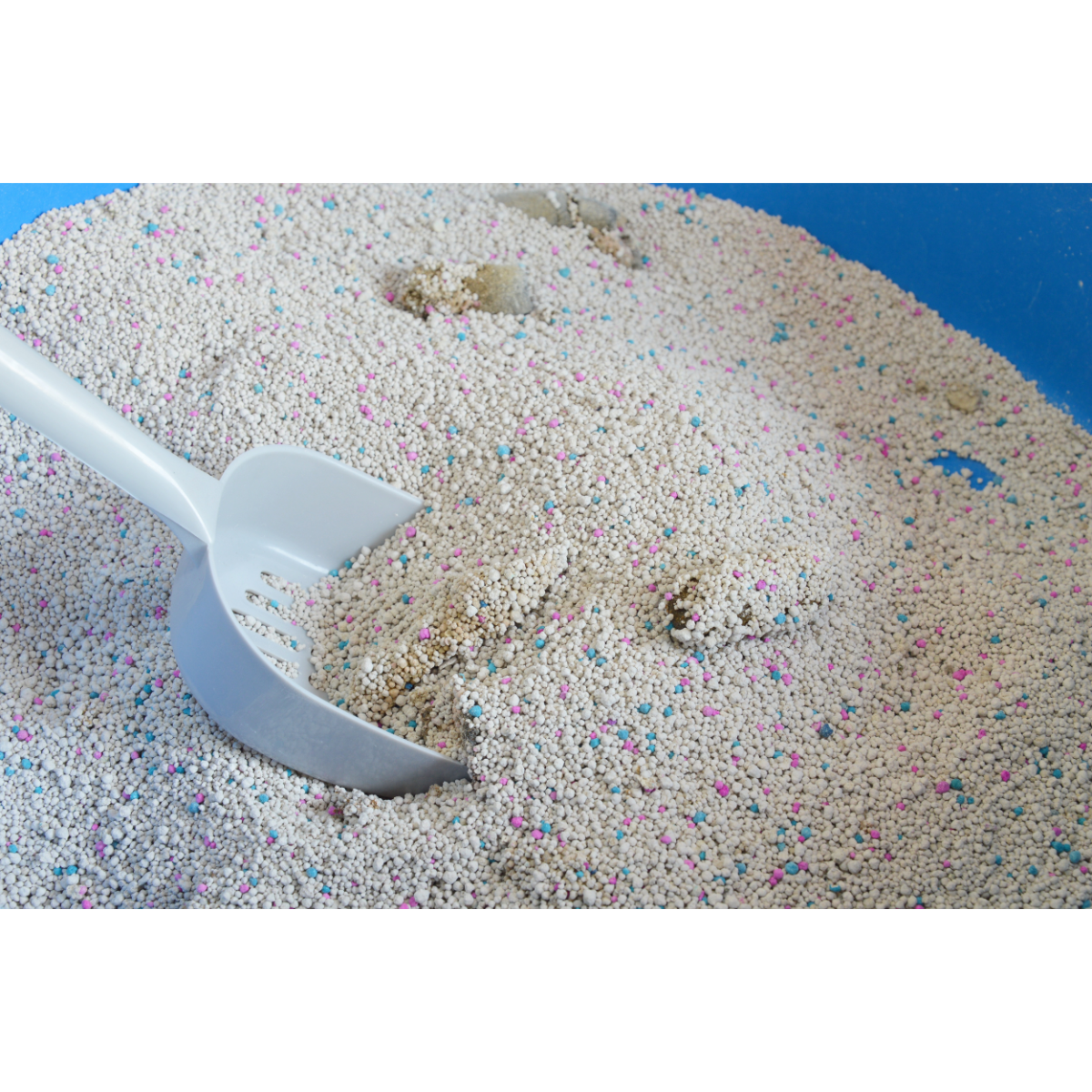
Cat litter is heavy and absorbs moisture — here is how to load containers correctly and protect product quality at sea.
Cat litter looks like a simple commodity — until it sits in a steel box for thirty days crossing an ocean. It is heavy, absorbent, and vulnerable to moisture damage. Getting container loading and moisture control right protects both the product and your margin.
Two characteristics drive everything. First, density: bentonite in particular is a heavy cargo, and containers max out on weight long before they max out on volume. Second, absorbency: litter is engineered to soak up liquid, which means high humidity inside a container can degrade product quality if loading is careless.
Work with your supplier on the right configuration:
A supplier who provides a written loading plan — cartons per pallet, pallets per container, stacking height — is telling you something about their export experience.
Professional shippers of litter add container desiccants to absorb condensation during the voyage, and the best packaging includes an inner liner or sealed film layer that keeps the product at its factory moisture level. This matters most for tofu and other plant-based litters, whose performance depends on controlled moisture content.
Confirm before loading that your document set is ready: commercial invoice, packing list, bill of lading, and certificates as required by the destination market. All-risks cargo insurance remains inexpensive relative to the cost of a damaged container.
At YoVia, every cat litter export — tofu, bentonite, silica gel, or mixed formulas — ships with a documented loading plan and 100% pre-shipment inspection. If you are planning your first litter import, ask us for a loading and shipping consultation with your quote via the contact page.