Email:
sales@YoViapetproducts.com
Physical address:
No.299 Chongqing Middle Rd. Qingdao, Shandong Prov., China

Email:
sales@YoViapetproducts.com
Physical address:
No.299 Chongqing Middle Rd. Qingdao, Shandong Prov., China

Seven practical steps for importing cat litter from China: specs, supplier vetting, samples, terms, QC, shipping, and customs.
China is one of the world’s largest cat litter production bases, and for good reason: deep raw material supply, mature processing, and export-oriented factories. But a smooth import still depends on process. This guide walks through the steps we recommend to every buyer.
Specify formula (tofu, bentonite, silica gel, or mixed), granule shape, scent, packaging size, and target landed cost. Clear specs make supplier conversations efficient and quotes comparable.
Our about page details how YoVia runs production and inspection — the kind of transparency you should expect from any supplier.
Test samples the way your customers will use them: clumping speed, odor control over a full week, dust, tracking, and scent retention. Compare against your current bestseller, not in isolation.
Standard structures include a deposit with balance against shipping documents, and FOB or CIF incoterms. Clarify MOQ, lead time, and what happens if quality inspection fails — a serious supplier will welcome the question.
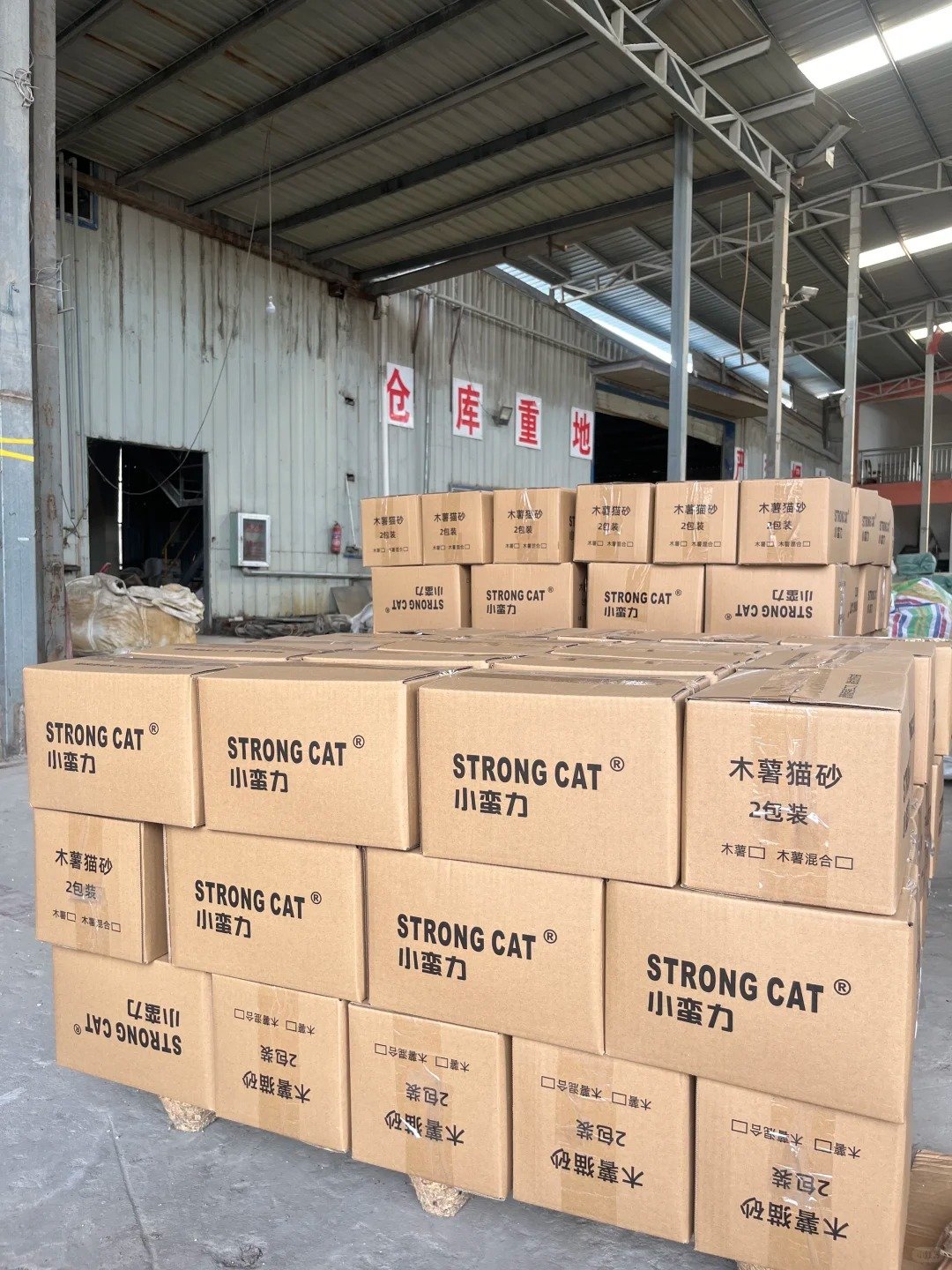
For first orders, inspect goods before they leave the factory: moisture content, granule integrity, bag sealing, label accuracy, and carton condition. At YoVia, 100% of orders pass through pre-shipment inspection before loading — verify your supplier offers the same.
Cat litter is dense, so most buyers ship in containers by sea. Your supplier should provide a professional loading plan (cartons per pallet, pallets per container) and the full document set: commercial invoice, packing list, bill of lading, COA, and certificates of origin where needed.
Hand the document set to your customs broker early. Litter is generally a straightforward commodity import, but correct HS classification and consistent declared details across documents prevent avoidable delays.
Browse our product catalog or compare formulas first, then request current pricing and samples through the contact page. We reply within 24 hours.